


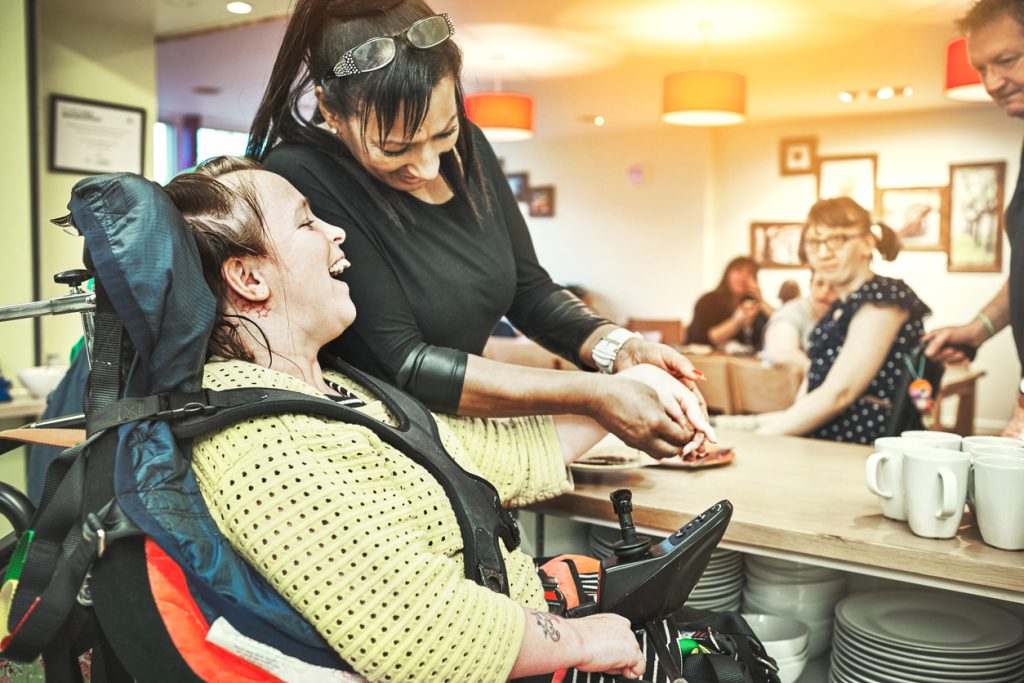



Specialist Rehabilitation Case Manager, Claire Norbutiene, explores the life-changing impact of acquired brain injury and the crucial role that effective case management plays in supporting individuals and their families through rehabilitation – providing structure, advocacy and reassurance at a time when it’s needed most.
An acquired brain injury (ABI) can change someone’s life in an instant. Initially there are the physical impacts to consider but when a traumatic incident occurs, their injuries can go far beyond this. Many also experience significant cognitive, emotional and behavioural changes. These can affect their independence, relationships, work and their sense of identity.
For the individual and their families, the experience can feel overwhelming. Not only are they having to come to terms with what has happened, but they suddenly find themselves navigating healthcare systems, treatment plans and managing uncertainty about the future.
It’s in these moments where effective case management plays a vital role. Having a dedicated person who can help guide the client through the process providing structure and helping to explain what is happening and why. A case manager can help with coordination of treatments and bring the advocacy needed to guide individuals and families through what is often a complex and emotional rehabilitation journey.
Understanding the complexity of brain injury
When it comes to brain injury the impact can vary significantly depending on the nature and severity of the accident and the areas of the brain affected. Some individuals may experience physical difficulties such as the ability to communicate and mobility issues. Others may face less visible but equally life-altering challenges with memory loss, concentration, emotional regulation and behaviour.
Many individuals with an ABI will struggle to advocate for themselves, particularly in the beginning. They may find it difficult to communicate their needs or be able to make informed decisions for themselves during the early stages of recovery. This is why having a case manager who can work closely with them and their family members is so important.
Importance of supporting the individual and their family
A brain injury rarely affects just one person. It can impact family members too who can suddenly find themselves caring for a loved one whose physical and psychological responses may have changed.
Case managers play a key role in supporting not only the injured person, but also those around them. They take time to listen to families, understand concerns and ensure they feel involved throughout the rehabilitation process.
In many cases, family members become an essential source of insight into the individual’s pre-injury personality, their routines, the things they most enjoyed and their goals and values. This information helps shape a rehabilitation programme that is truly person-centred.
Effective case management also helps reduce pressure on families by coordinating appointments and sourcing specialist services. They can also arrange care plans to help get them home when they are ready and helping navigate funding and complex legal processes.
Getting support early
When it comes to brain injury, early intervention is key. Delays in accessing specialist rehabilitation significantly impact recovery. The sooner the client can get the help and support they need, the better. Introducing case management early helps ensure that support is coordinated from the outset. Starting with a detailed assessment, case managers can identify the immediate and longer-term needs, helping to prevent gaps in care and avoid unnecessary delays.
Intervention and treatment plans can include arranging specialist rehabilitation and sourcing appropriate equipment through to supporting discharge plans and identifying suitable living arrangements if returning home is not immediately possible. It encompasses the things that can suddenly become inaccessible for people who have sustained a brain injury – such as coordinating travel to get to their appointments or ensuring they can access social activities.
Case managers explore treatment options, drawing on their expertise and professional networks to identify interventions that may support recovery and independence.
Managing behavioural and emotional changes
One of the most complex aspects of acquired brain injury rehabilitation can be managing behavioural, cognitive and emotional changes.
Following a brain injury, individuals may experience increased impulsivity, aggression, irritability and anxiety. Some may struggle with motivation and mobility. These changes can take their toll, especially on those around them, and can come out in many ways. Case managers are there to work through the situation with the client with patience, sensitivity and a strong understanding of neurorehabilitation and the treatment they need.
Effective case management focuses on collaboration with a multidisciplinary team to ensure best practice and identify appropriate strategies and support. This often involves coordinating input from neuropsychologists, occupational therapists, speech and language therapists, support workers and medical professionals to create a consistent and structured approach, and ensure the client’s needs are met.
It’s vital to understand the client’s capabilities and needs to ensure that the rehabilitation progresses at the right pace for the individual. Trying to introduce too much too quickly can lead to frustration and setbacks. Case managers use their experience and expertise to help ensure that interventions are introduced in a way that is manageable, realistic and aligned with the individual’s goals.
Bringing rehabilitation together
Effective rehabilitation following an acquired brain injury relies on collaboration. A wide range of medical professionals will be involved in supporting recovery, each bringing specialist expertise to address different aspects of the injury.
Case managers become the central point of contact, bringing professionals, families and support networks together around a shared objective of achieving the best possible outcome for the individual. They advocate for the person when they may be unable to advocate for themselves and ensure their voice remains central to decision-making at every stage of rehabilitation.
Rehabilitation following acquired brain injury is rarely straightforward and recovery can be unpredictable. Effective case management provides support throughout the process ensuring that rehabilitation remains focused on the individual’s needs, their goals and quality of life, providing guidance at a time when they, and their families, need it most.